Teen Mental Health Resources
 |
Page Navigation
|
You Are Not Alone.
Mental health is an important part of overall well-being. Whether you're dealing with stress, anxiety, friendship challenges, overwhelming emotions, sleep struggles, or simply looking for ways to build resilience, support is available.
This resource center connects teens, parents, caregivers, and educators with trusted information, tools, activities, and support resources to help young people thrive.
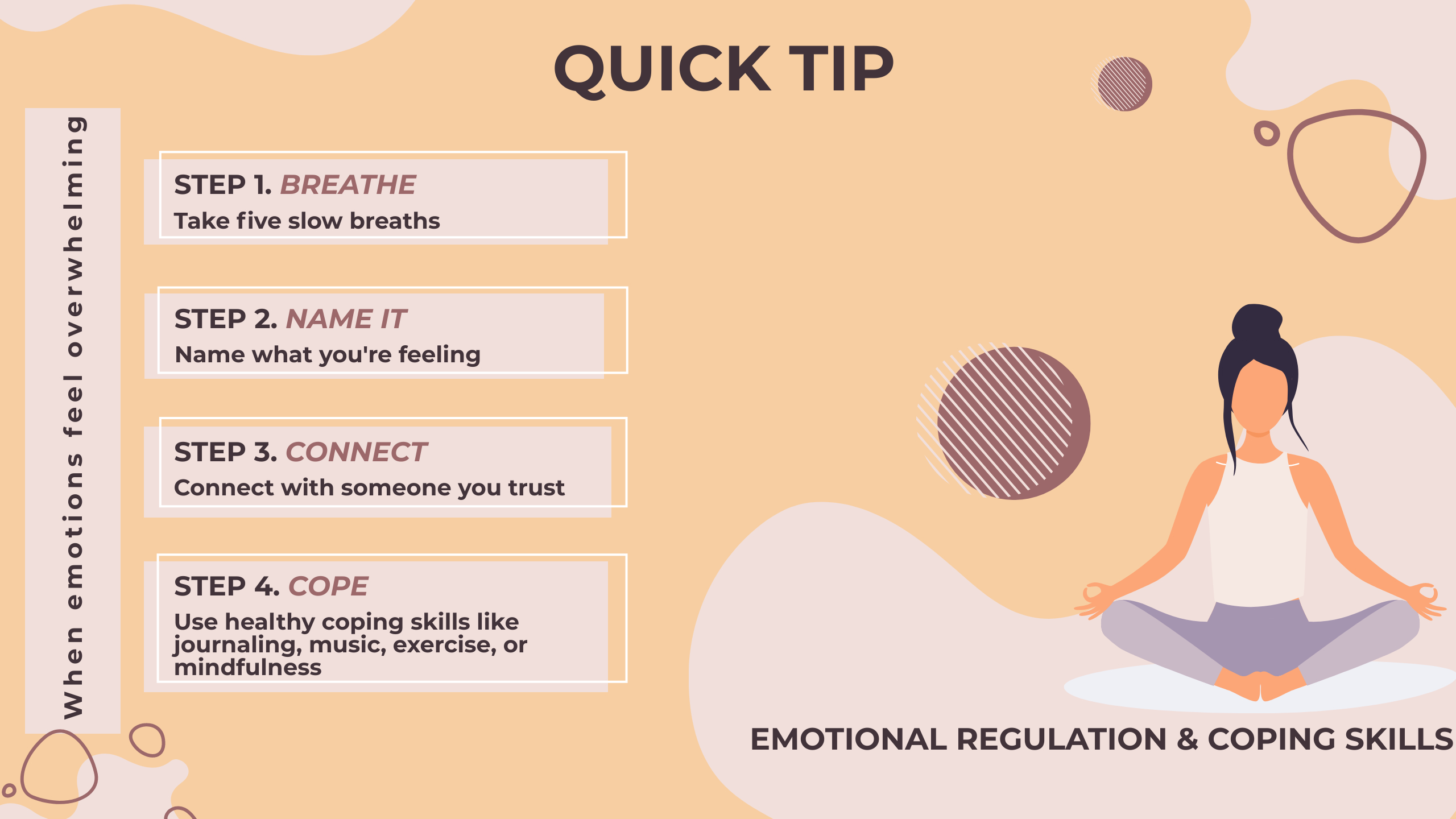
Emotional Regulation & Coping Skills
Learning how to recognize, manage, and express emotions is an important life skill. These resources can help teens build healthy coping strategies and emotional awareness.
Resources
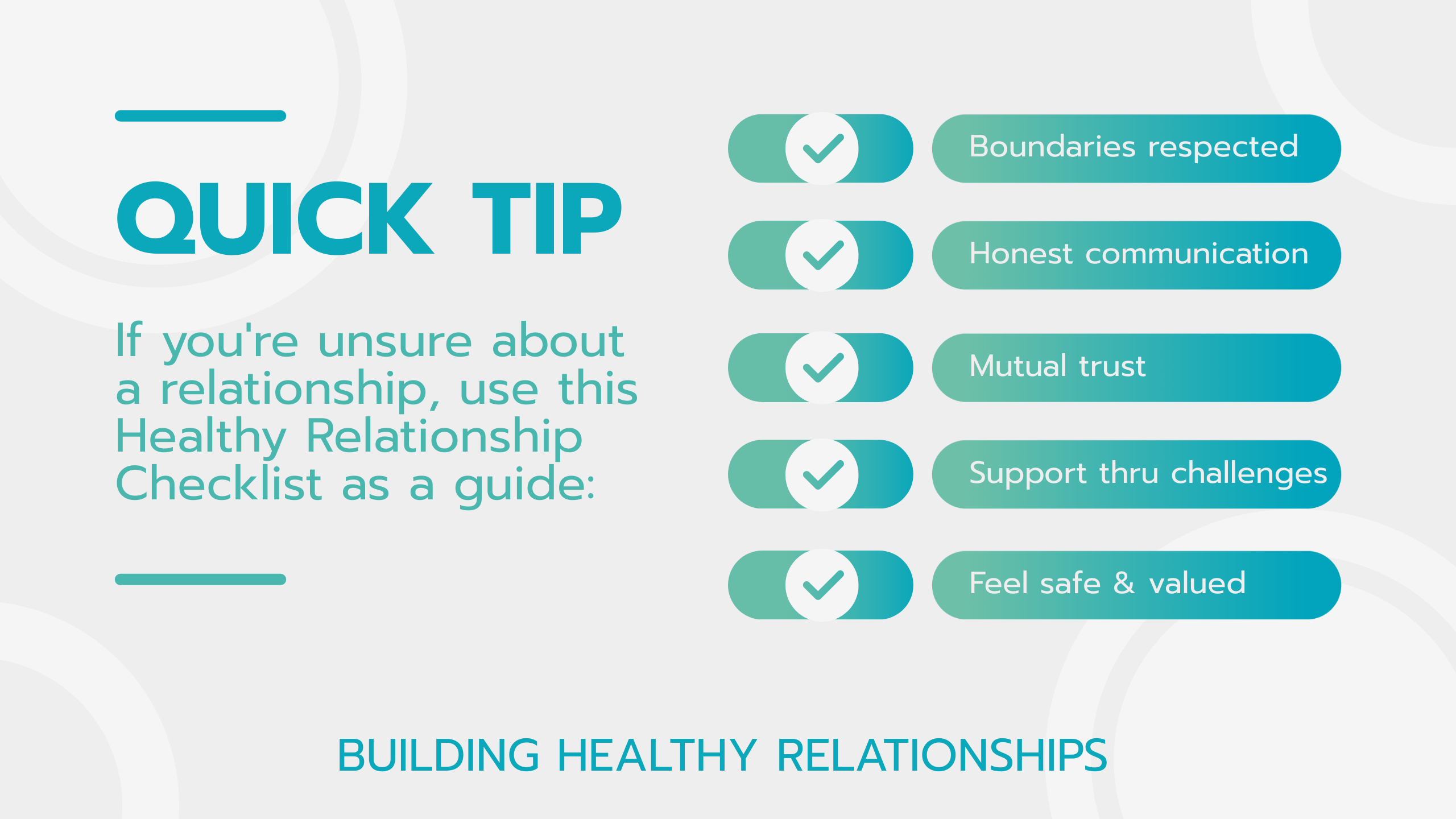
Building Healthy Relationships
Positive relationships support mental wellness and help us feel connected, valued, and understood.
Resources
- Friendships Friends can be a big help for your mental health, but sometimes things change. If you're not getting along with friends right now, you've had a fallout, or you just feel uncomfortable in your group, these tips and advice from YOUNGMINDS can help you through it.
- How to Help a Friend A practical guide from NAMI that teaches young people how to recognize when a friend may be struggling, offer support in a caring way, and connect them with trusted adults or professional help when needed.
- 15 Green Flags in Relationships A resource from Choosing Therapy that highlights positive relationship qualities such as trust, respect, communication, and support, helping teens and young adults recognize the signs of healthy and meaningful relationships.
- What Are Healthy Boundaries? and Setting Boundaries: How to Say "No" This educational video and practical worksheet from Therapist Aid explains the importance of healthy boundaries and teaches individuals how to set healthy boundaries, communicate their needs clearly, and confidently say “no” in a respectful and effective way.
- Brené Brown on Empathy Watch this short, animated, and engaging video about the power of empathy and connection on YouTube.
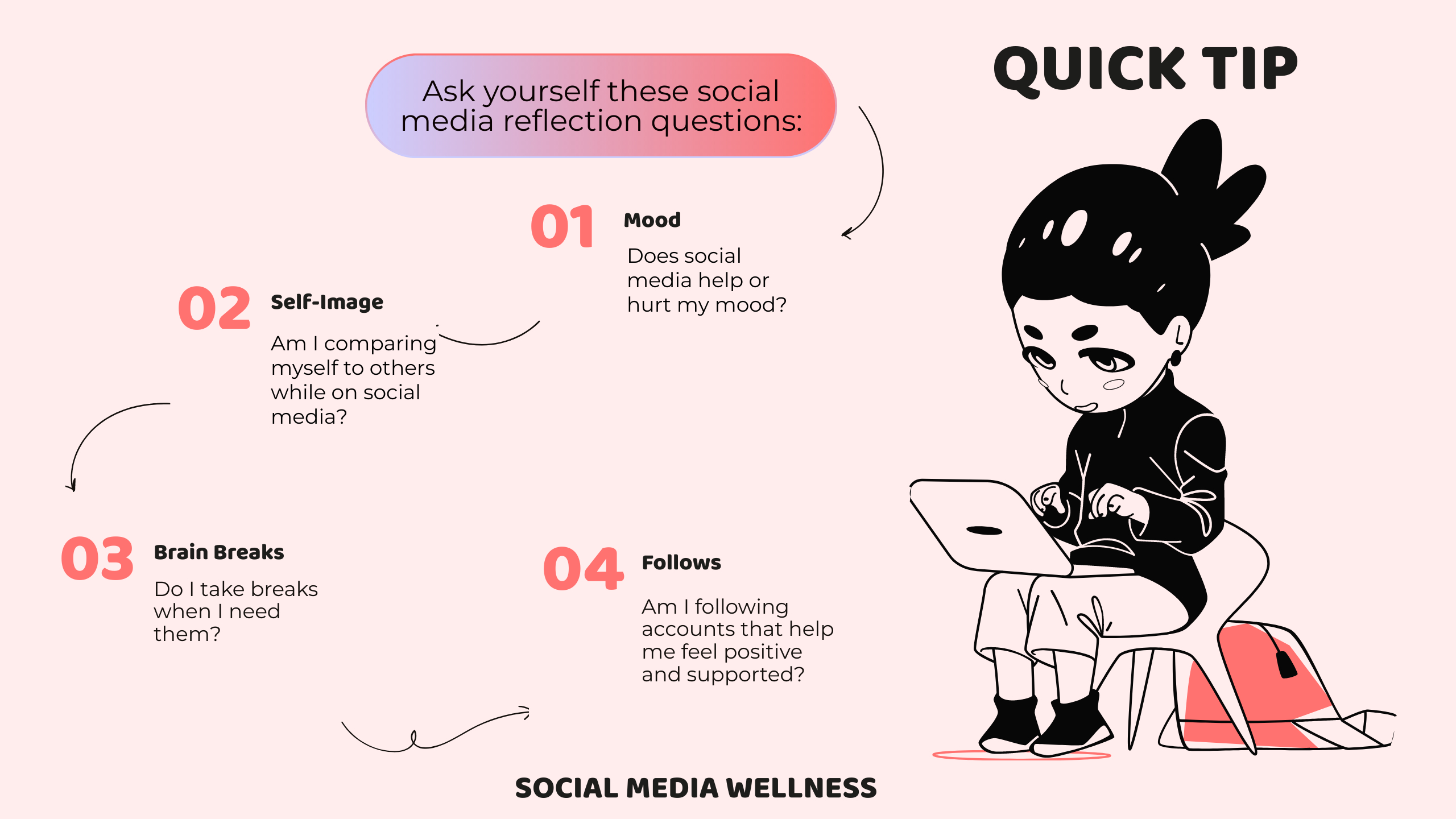
Cultivating balanced social media habits helps protect mental health, strengthens relationships and encourages positive choices online.
Resources
- Thrive for Teens: Social Media Module An interactive learning resource from Pennsylvania State University that helps teens understand the impact of social media on mental health, relationships, and well-being while building skills for safe, responsible, and balanced online engagement.
- Social Media Wellness Toolkit This collection of resources from the American Academy of Pediatrics helps youth and families build healthy social media habits, promote digital well-being, and navigate online experiences safely and positively.
- Collaborating Together to Create a Safe and Healthy Experience Online This resource from NAMI helps youth and their families navigate tough questions about screen time and social media use in order to create a safer and healthier online experience.
- Social Media and Youth Mental Health and The Do's of Social Media These resources from Mental Health America provide information on how social media impacts youth mental health and how to cultivate healthy social media use.
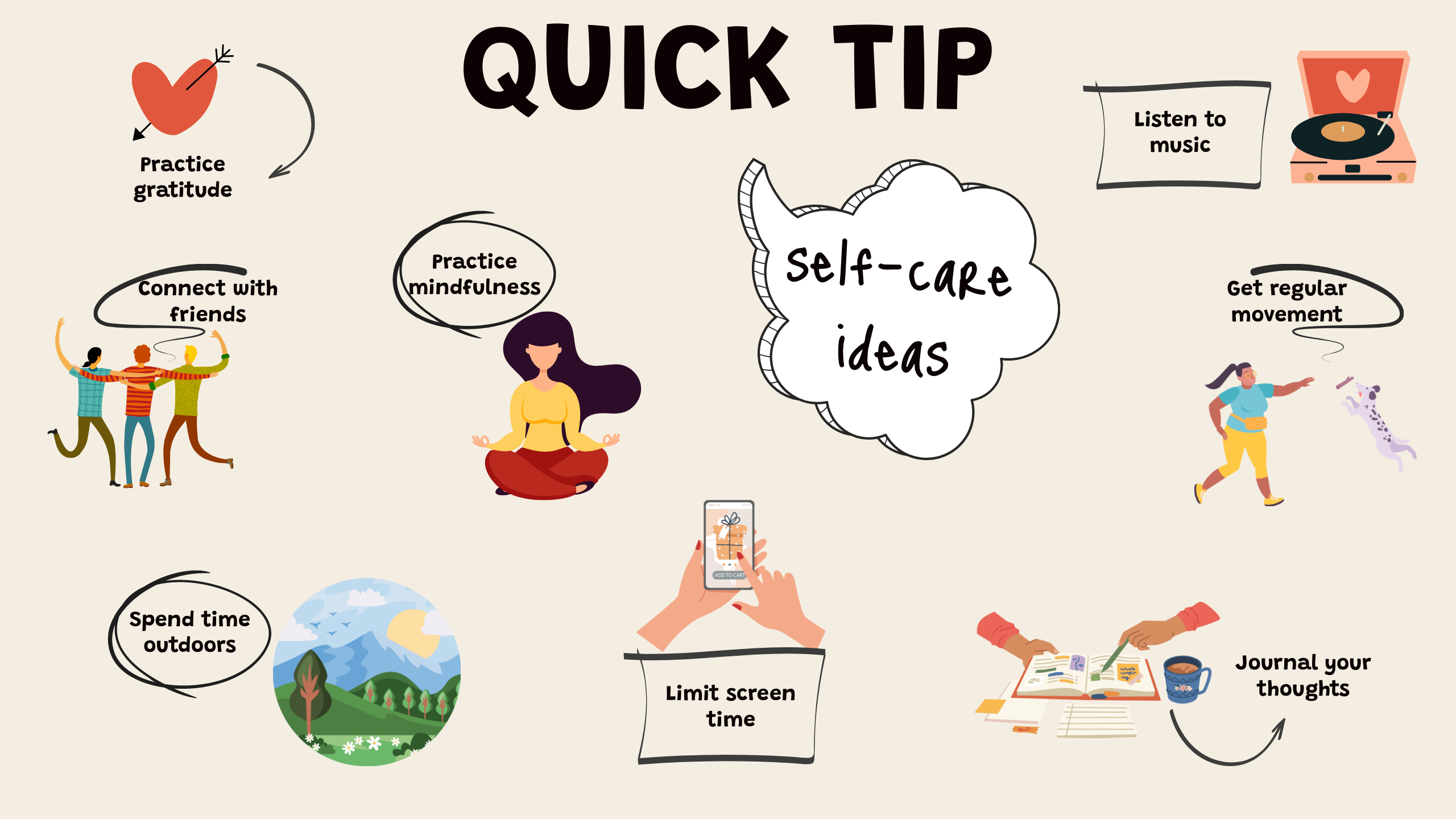
Stress, Mindfulness & Self-Care
Small daily habits can have a big impact on mental health. Mindfulness and self-care can help improve focus, reduce stress, and increase resilience.
Resources
- Overwhelmed: Managing Feelings and Racing Thoughts A guided mental health video from AboutKidsHealth that helps youth cope with overwhelming emotions and racing thoughts by using grounding, mindfulness, and self-calming techniques to regain focus and emotional balance.
- Free Self-Care Checklist for Teens and 12 Journaling Prompts for Mental Health Practical resources from Choosing Therapy with ideas for building healthy physical, emotional, social and mental health habits, and designed to encourage reflection, process emotions, reduce stress, and build self-awareness.
- Why Mindfulness Is a Superpower and How Mindfulness Empowers Us Practicing mindfulness is one of the single most powerful things you can do for your wellbeing. Watch these engaging, animated videos from Happify that explain how mindfulness can help teens manage stress, improve focus, regulate emotions, and build resilience in everyday life.
- 3 Brain Tricks That Make You Happier in 15 Seconds A brief, engaging resource from The Success Paradox that shares simple science-backed techniques to quickly shift your mindset, boost positive emotions, and improve overall well-being.
- Do This Every Morning to Feel Mentally Stronger A motivational resource that shares simple daily habits and mindset practices to build resilience, boost confidence, and support positive mental health throughout the day from NEXPSY.
- Mindfulness for Teens A resource from Mindfulness for Teens that introduces mindfulness practices designed to help teens manage stress, improve focus, regulate emotions, and build resilience in their daily lives.
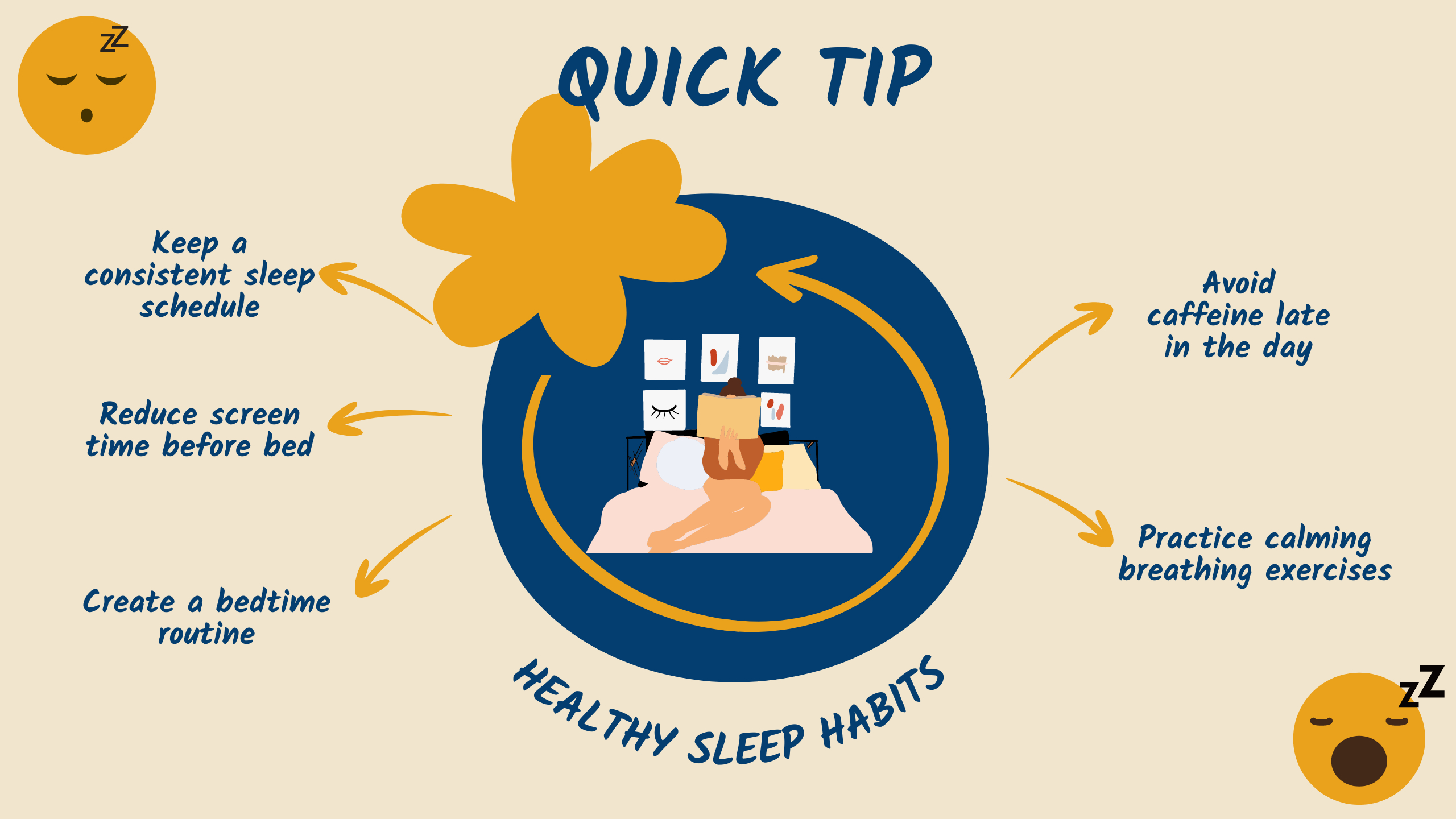
Sleep & Mental Wellness
Sleep plays a major role in mood, mental health, concentration, and emotional well-being.
Resources
- Teen Q & A: Why Can’t I Fall Asleep at Night? A short video from Sanfordfit to help you learn what you can do to get better sleep.
- How to Calm Your Worries and Sleep Better Narrated by sleep scientist Dr. Jared Minkel and featured by Happify, this short video shares science-based strategies to calm racing thoughts, manage worries, and build healthy habits that support better sleep and emotional well-being.
- Teen Sleep Toolkit Backed by the National Sleep Foundation, this toolkit helps teens build healthy sleep habits with practical strategies to improve sleep, boost well-being, and support success in school and daily life.
- Sleep: A Bedtime Story Created by AboutKidsHealth, this guided video helps youth develop healthy sleep habits through a calming bedtime routine that promotes relaxation, prepares the mind and body for sleep, and supports overall well-being.
- How Sleep Affects Your Emotions Presented by sleep scientist Dr. Matt Walker through TED’s Sleeping with Science series, this short video explains how sleep affects emotions, stress, and decision-making, and why healthy sleep is essential for emotional well-being and resilience.
Bullying, Cyberbulling & Online Safety
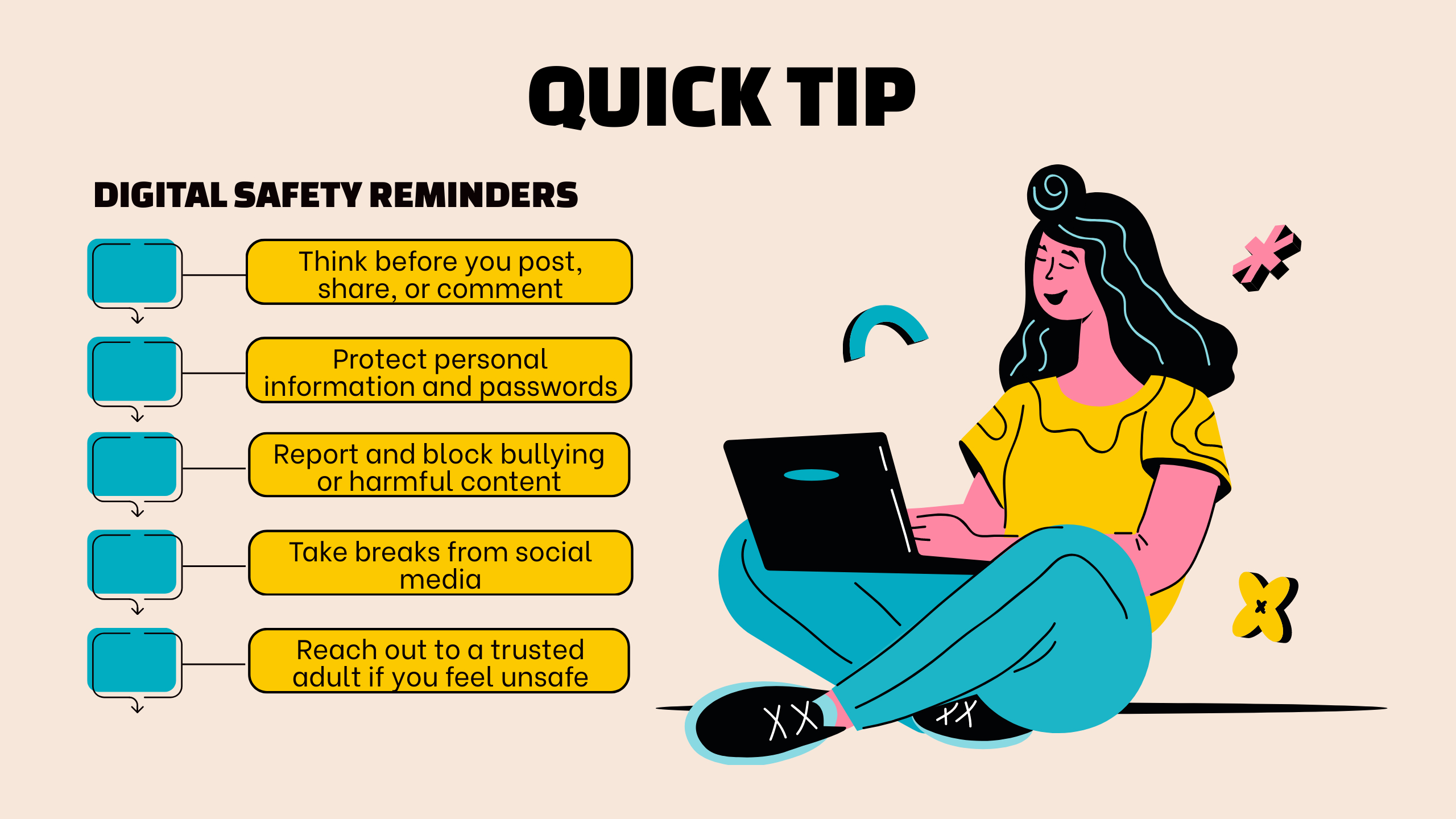
Everyone deserves to feel safe, respected, and supported online and offline.
Resources
- Cyberbullying and Bullying Provided by StopBullying.gov, this resource helps youth, families, and educators recognize signs of bullying and cyberbullying, understand their impact, and learn practical steps to prevent, report, and respond to harmful behavior
- Social Media Wellness Toolkit Curated by the American Academy of Pediatrics Center of Excellence on Social Media and Youth Mental Health, this toolkit offers teen-friendly resources, activities, and strategies to promote healthy social media use, digital well-being, and online safety.
- Thrive for Teens: Bullying Module This video module from Pennsylvania State University is designed to empower teens to promote kindness and respect, provide tools to combat bullying, and contribute to a more compassionate community.
- Cyberbullying Tips for Teens Published by the National Crime Prevention Council, this resource provides practical tips to help teens prevent cyberbullying, protect their online reputation, respond safely to harmful online behavior, and seek support when needed.
School Success & Life Balance
Balancing academics, activities, work, relationships, and personal wellness can be challenging. These resources can help teens stay organized and reduce stress.
Resources
- Time Management for Students Designed to help students build lifelong organizational skills, this resource from NAMI provides practical strategies for planning, prioritizing tasks, managing deadlines, and creating healthy routines that support academic success and life balance.
- Life Balance for Young Adults Published by the Children's Health Council (CHC), this resource offers practical strategies for balancing school, work, relationships, and self-care while reducing stress and maintaining overall well-being.
- Commitment Planner Created by NAMI, this planning tool helps teens balance school, extracurricular activities, family responsibilities, and self-care by organizing commitments, setting boundaries, and preventing burnout.
- Build a Teen Stress Management Plan Developed by the Center for Parent and Teen Communication, this interactive resource helps teens identify sources of stress and create a personalized plan using healthy coping strategies, self-awareness, and practical tools to build resilience and well-being.
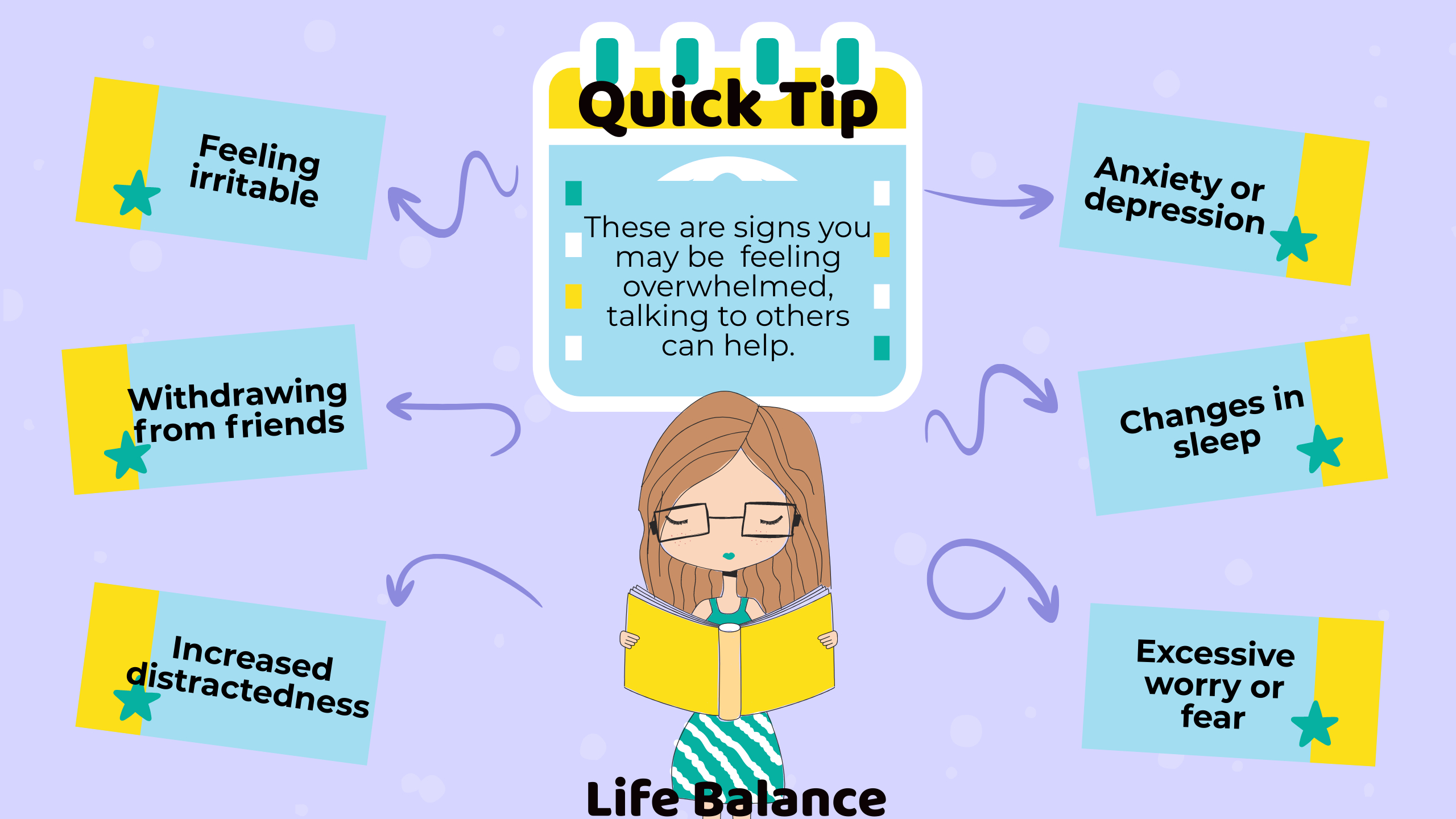
Everyone needs help from time to time, and reaching out for help if you need it, is normal and healthy behavior.
Trusted Mental Health Resources
Explore these highly respected organizations for additional information and support.
For Teens
- What’s on My Mind: A Teens Guide to Thinking, Feeling, and Figuring Things Out Developed by Sanford Health experts through Sanfordfit, this interactive workbook helps teens explore emotions, build coping skills, practice mindfulness, and strengthen mental wellness through reflection activities, journaling prompts, and evidence-informed strategies.
- Seize the Awkward Created by the Ad Council in partnership with NAMI and the American Foundation for Suicide Prevention (AFSP), this resource helps teens recognize when friends may be struggling and provides practical tips, conversation starters, and support tools for talking about mental health.
- Mindscape Developed by Harvard Health Publishing, this resource provides teens, caregivers, and educators with trusted information, practical tools, and support strategies to promote mental wellness, build resilience, access help, and navigate mental health challenges.
- Nemours TeensHealth Created by Nemours Children’s Health, this resource provides doctor-reviewed information, videos, and tools that help teens learn about physical health, mental health, relationships, and healthy decision-making.
- Young Men's Health Developed by the Division of Adolescent and Young Adult Medicine at Boston Children’s Hospital, this resource provides evidence-based health information, expert guidance, and practical tools to help teen boys and young men make informed decisions about their physical, emotional, and mental well-being.
- Center for Young Women’s Health A collaboration between the Division of Adolescent and Young Adult Medicine and the Division of Gynecology at Boston Children’s Hospital. The Center is an educational entity that exists to provide adolescents of all genders with carefully researched health information, health education programs, and community spaces.
- Go Ask Alice! Developed by Columbia University health experts, this anonymous Q&A resource offers evidence-informed answers to teen and young adult questions about mental health, well-being, relationships, and healthy living.
- Mental Health Information Provided by the National Institute of Mental Health (NIMH), this resource offers trusted, research-based information on mental health conditions, coping strategies, treatment options, and ways for teens and families to find support and help.
Wellness Apps & Digital Tools
- Mindscape Apps Developed by Harvard Health’s Mindscape initiative, this resource helps youth, families, and professionals explore trusted mental wellness apps that support mindfulness, emotional well-being, stress management, and healthy coping skills.
- MindApps.org Developed by the Division of Digital Psychiatry at Beth Israel Deaconess Medical Center, this free resource helps youth, families, caregivers, and professionals identify mental health apps based on privacy, cost, features, and evidence-based practices.
- Woebot Health Developed by clinical psychologist Dr. Alison Darcy and Woebot Health, this app uses evidence-based mental health strategies and mindfulness techniques to help teens build coping skills, track moods, and support emotional well-being through guided conversations and self-help tools.
Quick Tip
Here are a few Mental Wellness Reminders:
- You are not alone in what you're feeling
- Difficult emotions are temporary and manageable
- Everyone needs support sometimes
- Progress matters more than perfection
- Your mental health is just as important as your physical health
Resources for Youth Programs
Youth programs play an important role in supporting the healthy development of young people.
Recommended Resources
- Activities to Help Students Feel Grounded Featured by Edutopia, this article presents three grounding activities that help students regulate emotions, reduce stress, and improve focus through mindfulness and sensory-awareness practices.
- Using Tech to Facilitate Difficult Classroom Conversations Published by Edutopia, this article explores how digital tools can support respectful, inclusive discussions on challenging topics by increasing student voice, reflection, and engagement.
- Growth Mindset for Mentors Developed in collaboration with MENTOR, this online toolkit helps mentors foster a growth mindset in young people by providing strategies, lessons, and activities that build resilience, perseverance, and positive learning habits.
- 10 Powerful Community-Building Ideas Published by Edutopia, this article shares 10 practical strategies educators can use to build classroom community, strengthen student connections, and foster a sense of belonging.
- Problem-Solving Steps: Pre-Teens and Teenagers Developed by the Raising Children Network, this guide outlines a six-step problem-solving process that helps pre-teens and teenagers build communication, decision-making, and conflict-resolution skills.
- FLARE by NAMI: Mental Health Literacy Curriculum FLARE by NAMI stands for Flexible Learning for Adolescent Resiliency Education and is a mental health literacy curriculum for middle school students.
- Me in Mind by NAMI: Empower Activities The “Empower” bundle by NAMI includes activities such as the Dig Deeper Reflection, All About Me, and the Speak Up PSA, which support growing emotional awareness and mental health for grades 6 - 8.
- Mental Health is Health: Activities for Teens A FREE printable activity book by Sanfordfit designed to help teens recognize and overcome the stigma around mental health. It provides thoughtful, age-appropriate tools that encourage open conversations and emotional well-being.
- The Power of Journaling: A Caregiver’s Guide to Supporting Teen Mental Health and Emotional Resilience and There’s Power in a Pause: Gratitude Journal Prompts for Teens These resources from Sanfordfit offer valuable tools to support teen mental health and emotional resilience. They include a guide for adults on how to effectively integrate journaling to help young people process emotions, along with ready-to-use "Power in a Pause" journal pages specifically designed for adolescents.
- Mental Health and Wellness Guidebook Created by the Wisconsin Out of School Time Alliance (WOSTA), this guidebook offers mental health and wellness tools, training resources, and best practices for supporting youth emotional well-being.
- Mental-Emotional Wellness Playlist This resource from WOSTA provides videos, webinars, and practical strategies to support youth mental health, emotional wellness, resilience, and social-emotional development.
Quick Tip
Supporting Youth Mental Health and Well-Being:
- Build belonging and connection
- Encourage emotional awareness
- Praise effort and growth
- Teach problem-solving skills
- Create safe, supportive spaces
Resources for Parents & Caregivers
Parents and caregivers play an important role in supporting youth mental health.
Recommended Resources
- NAMI Basics A free education program from NAMI that provides parents and caregivers of children and teens with information, support, and practical skills for navigating youth mental health challenges.
- I Want to Help My Teen/Young Adult A resource from The Jed Foundation (JED) that provides parents and caregivers with tools, guidance, and mental health resources to support teens and young adults.
- The 5 C's of Media Guidance A resource from the American Academy of Pediatrics that helps parents support healthy media use by focusing on the child, content, calming strategies, communication, and balancing screen time with other activities. (Kids & Screen Time)
- Get Screen Smart: Essential Tech Knowledge Needed for Digital Parenting This webinar from Children and Screens features a panel of experts sharing essential knowledge to help parents guide their children towards informed, healthy media use.
- The Smart Parent's Guide to Parental Controls This webinar from Children and Screens features a panel of digital parenting experts focused on which types of parental control apps and settings are most effective, what parents should know about their strengths and limitations, and how to incorporate them to protect child well-being and build healthy autonomy.
- How to Prevent Cyberbullying A guide from StopBullying.gov that helps parents, caregivers, and youth recognize, prevent, and respond to cyberbullying while promoting safe and responsible online behavior.
- Healthier Mind A nonprofit organization, Healthier Mind for Life, that supports adolescent and young adult mental wellness through educational resources, community support, and accessible mental health tools, including a searchable directory of mental health resources by state
- Parents’ Guide to Teenagers and Sleep A guide from the Child Mind Institute explaining how sleep affects teen health, behavior, and learning, along with tips to help teens get the rest they need.
- Five Ways Parents Can Help Teens Connect Across Differences A guide from the Greater Good Science Center with practical strategies for helping teens build empathy and connect with people from diverse backgrounds.
- Teen Mental Health: Warning Signs, Impact, and How to Support Adolescents An article from Mental Health First Aid outlining common teen mental health warning signs and ways adults can provide support
- Thriving Mind Podcast A podcast from the Child Mind Institute offering expert advice and practical tips on children's mental health and well-being.
- How to Co-Create a Screen-Free Routine with Your Teen Learn how to co-create a screen free routine with your teen using Sanfordfit’s expert backed strategies that build trust, support digital wellness, and strengthen family connection.
- How to Recognize and Manage Teen Burnout Discover expert-backed tips for parents and caregivers from Sanfordfit on how to recognize and manage teen burnout.
Quick Tip
Supporting Your Teen:
- Stay connected: Make time for regular, judgment-free conversations
- Watch for warning signs: Notice changes in mood, behavior, sleep, or social connections
- Promote healthy habits: Prioritize sleep, physical activity, and balanced screen use
- Support digital wellness: Talk about online safety, social media, and cyberbullying
- Encourage empathy: Help teens build respectful relationships and appreciate different perspectives
- Know where to get help: Keep mental health resources and support services easily accessible
If You or Someone You Know Needs Immediate Help
- Call 911 if there is an immediate danger or medical emergency.
- Call or text 988 (Suicide & Crisis Lifeline) for free, confidential support 24/7. View this short video resource for more information on 988: What happens when you call 988?
- Call your local Wisconsin County Crisis Line. Find a list of contact numbers on the Prevent Suicide Wisconsin website.
- Reach out to a trusted adult, school counselor, healthcare provider, parent, guardian, or mental health professional.
Remember: Asking for help is a sign of strength.
Mental Health Matters
Everyone experiences challenges, stress, and difficult emotions. Seeking support, practicing healthy coping skills, and staying connected can make a meaningful difference. You do not have to navigate life's challenges alone.
Take care of your mind. Take care of yourself. Reach out when you need support.
Return to Page Navigation
|